
Solid state drives have many advantages over conventional HDD hard drives, which is why they are often used as system drives. If the files written to them cannot be read or the drive cannot be detected, specialists from the DataRecovery technical laboratory will begin to recover the lost data.
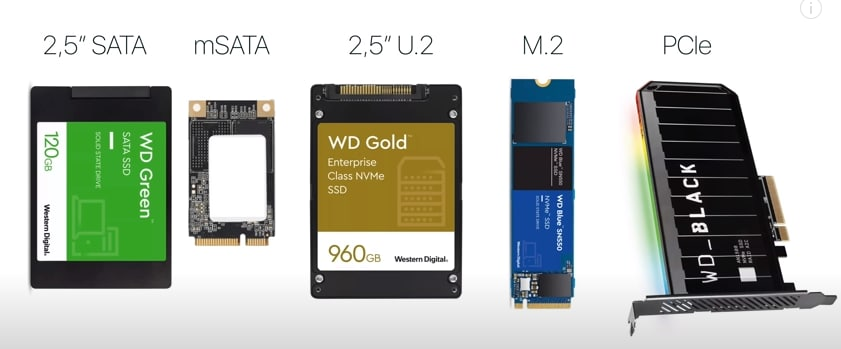
Features of SSDs
An SSD solid state drive is a device similar to a regular flash drive with a large amount of memory. It has no moving parts, is very compact, consumes little energy and is not vulnerable to moderate mechanical damage.
Let's look at the reasons for data loss:
- Breakdown, electrical or severe physical damage.
- Failures in the program that contribute to data loss.
- Wear of SSD memory cells due to too long use (taking into account the specified parameters).
How realistic is it to recover files deleted from an SSD drive?
Very often it is impossible to recover information erased from an SSD disk. The advantages of a hard drive are that if data is deleted from it, this space is marked as free and is filled only when new information arrives - that is, when overwritten, old data is saved.
If content is deleted from the SSD disk using the TRIM command, then blocks that do not have information data are designated as inactive and deleted. In some situations, the TRIM command is not used, and the data is saved accordingly:
- There is an operating system that does not support TRIM;
- There are errors or file corruption;
- SSD drive connected via FireWire, USB, Thunderbolt;
- Drive of old versions with unupdated firmware;
- SSD drives are used in RAID.
Restoring information after formatting an SSD drive
Before formatting an SSD drive, it is important to understand that after this information will be deleted from the logical blocks using the TRIM command. Restoration is possible only if the command cannot be executed.
Data recovery from faulty SSDs
If the disk is damaged, access to the information is possible with the help of DataRecovery specialists. They will be able to determine the cause of the SSD failure.
Data recovery is often accompanied by repairs: the printed circuit board and its components, controller, etc. may fail. Although data can be stored, it can only be accessed through professional intervention.
The information recovery process combines software and hardware stages; in addition, special skills and professional equipment are required. The price depends on the type of damage. Do not forget that unqualified intervention can lead to data loss without the possibility of recovery.
- Data Recovery from Samsung SSD
- Data Recovery from Crucial SSD
- Data Recovery from Intel SSD
- Data Recovery from Western Digital SSD
- Data Recovery from a SanDisk SSD
- Data Recovery from a Toshiba SSD
- Data Recovery from a Corsair SSD
- Data Recovery from a Micron SSD
- Data Recovery from a Seagate SSD
- Data Recovery from a Kingston SSD


